I’ve often heard people say “I got your back”, an English idiom that reflects true support and protection in difficult situations and challenging situations. It carries a sense of loyalty, reassurance, and a promise to look out for you, whether you’re dealing with bullies, thugs, or any case where you just need someone willing to help. In real life between friends, parents, buddies, or teammates this phrase means more than words; it shows you’re prepared to assist, give assistance, and stand by someone so they can feel safe and rely on someone they trust.
According to dictionary entries like the American Heritage Dictionary of the English Language, “support” often means someone’s support in action, not just emotion. In simple sentence structure like John / John’s friend, it reflects everyday trust and friendship support. Even in a game guide or video insights, it often signals teamwork and protection. In this article, you’ll explore other ways to express “I got your back” and learn how to say it in fresh, meaningful ways so keep reading to discover powerful alternatives that truly connect.
What Does “I got your back” Mean?
The phrase “i got your back” is an English idiom that means providing support, protection, and loyalty to someone, especially in difficult situations or challenging situations. It expresses a clear promise: “I will stand with you, protect you from harm, and be there when you need help.”
In real-life communication, it reflects emotional reassurance, friendship support, and trust-based relationships. Whether it’s between friends, parents, buddies, or teammates, the meaning stays the same—you are not alone, and someone is ready to defend you or help you through any case, including pressure, conflict, or uncertainty.
According to dictionary definitions like the American Heritage Dictionary of the English Language, the idea of support goes beyond words—it includes active help, reliability, and commitment.
When to Use “i got your back”
You use “i got your back” when someone needs reassurance, confidence, or emotional support in real-life or social situations. It is commonly used when a person is facing stress, fear, competition, or uncertainty, and you want to show that you are willing to help and prepared to assist.
Typical situations include:
- Supporting a friend during a problem or crisis
- Standing with someone against bullies or thugs
- Encouraging teammates in a game guide or team task
- Reassuring family members like parents or siblings
- Showing loyalty in friendship support or group decisions
It builds trust and makes the other person feel safe because they know they can rely on someone who will give assistance when needed.
Is It Professional/Polite to say “I got your back”?
The phrase “i got your back” is generally casual and informal, making it perfect for friends, colleagues in relaxed settings, or team environments, but not always ideal for formal business communication.
In professional contexts, it may sound too conversational. Instead, you might use:
- “I will support you”
- “I’m here to assist you”
- “You can rely on my support”
However, in modern workplaces like startups, creative teams, or collaborative projects, it is often used to express team loyalty, trust, and mutual support, especially when building strong working relationships.
What Are Synonyms for “I got your back”?
There are many natural and meaningful synonyms and LSI alternatives that express the same idea of support, protection, and loyalty:
- I’m here for you
- I’ve got you covered
- You can count on me
- I’m on your side
- I’ll stand by you
- I’ve got your six (military slang)
- I’ll look out for you
- You can rely on me
- I’m with you all the way
These phrases help express reassurance, friendship support, and willingness to help in a more varied and expressive way, depending on tone and situation.
How to Use “I got your back” in Real-Life Sentences?
Using “i got your back” in sentences depends on context, tone, and relationship. Here are practical examples showing natural usage:
- Don’t worry about the presentation—I got your back.
- If anyone tries to trouble you, I’ve got your back.
- You can go into the interview confidently; I got your back.
- In this game, just focus on scoring—I’ve got your back.
- No matter what happens, I’ll always have your back.
In each case, the phrase communicates trust, protection, and emotional reassurance, reinforcing strong bonds between friends, teammates, or family members in real-life communication and everyday interactions.
Alternative List of “i got your back”
I’m here for you
Scenario:
After a friend is stressed before an interview or going through a personal problem.
Meaning/Definition:
“I’m here for you” is a supportive phrase used to show emotional support, reassurance, and presence, similar to “I got your back.”
Explanation:
It is used to comfort someone in difficult or challenging situations and helps them feel safe, supported, and not alone.
Example:
“Don’t worry about anything, I’m here for you no matter what happens.”
Best Use:
- Emotional support
- Friendship conversations
- Personal crisis situations
Worst Use:
When formal business communication is required
Tone:
Friendly, caring, supportive
You can count on me

Scenario:
During a workplace task when a teammate is overwhelmed with responsibility.
Meaning/Definition:
“You can count on me” expresses reliability, trust, and support, similar to “I got your back.”
Explanation:
It shows commitment and assurance that you will help and not fail the other person in teamwork situations.
Example:
“Focus on your part, you can count on me for the rest.”
Best Use:
- Workplace teamwork
- Group projects
- Friendship support
Worst Use:
When used in sarcastic or joking situations
Tone:
Reliable, confident, trustworthy
I’ve got your six
Scenario:
In gaming or high-pressure action situations where protection is needed.
Meaning/Definition:
“I’ve got your six” is a slang term meaning protection and support from behind, similar to “I got your back.”
Explanation:
It comes from military language and represents loyalty and protection in action-based situations.
Example:
“Go ahead, I’ve got your six if anything goes wrong.”
Best Use:
- Gaming environments
- Sports teamwork
- Action or risky situations
Worst Use:
Formal business or academic communication
Tone:
Strong, protective, loyal
I’ll back you up

Scenario:
During a meeting when someone is presenting an idea.
Meaning/Definition:
“I’ll back you up” means supporting someone’s opinion or action, similar to “I got your back.”
Explanation:
It is used to show agreement and public or private support in discussions or professional settings.
Example:
“Present your idea confidently, I’ll back you up.”
Best Use:
- Workplace meetings
- Team discussions
- Professional collaboration
Worst Use:
Emotional personal reassurance
Tone:
Professional, supportive, assertive
I’m on your side
Scenario:
During a disagreement or conflict between people.
Meaning/Definition:
“I’m on your side” expresses loyalty, agreement, and emotional support, similar to “I got your back.”
Explanation:
It is used to reduce tension and show alignment during difficult or conflicting situations.
Example:
“Don’t worry, I’m on your side in this matter.”
Best Use:
- Conflicts
- Negotiations
- Decision-making discussions
Worst Use:
When neutrality is required
Tone:
Reassuring, calm, loyal
Count on me
Scenario:
When a friend is stressed with responsibilities.
Meaning/Definition:
“Count on me” means dependable support and trust, similar to “I got your back.”
Explanation:
It shows that someone can rely on you for help in everyday or emotional situations.
Example:
“If you need anything, count on me anytime.”
Best Use:
- Friendship support
- Daily conversations
- Informal help situations
Worst Use:
Formal or legal communication
Tone:
Warm, simple, reliable
I’ll cover for you
Scenario:
At work when a colleague is absent or busy.
Meaning/Definition:
“I’ll cover for you” means taking responsibility temporarily, showing support and assistance.
Explanation:
It is used in workplace or school environments to help manage tasks when someone is unavailable.
Example:
“Take your break, I’ll cover for you during the shift.”
Best Use:
- Workplace tasks
- School responsibilities
- Team coordination
Worst Use:
Emotional support situations
Tone:
Practical, helpful, responsible
I’ll stand by you

Scenario:
When a friend is facing criticism or pressure.
Meaning/Definition:
“I’ll stand by you” means strong loyalty and emotional support, similar to “I got your back.”
Explanation:
It shows commitment to support someone even in difficult or controversial situations.
Example:
“Even if others disagree, I’ll stand by you.”
Best Use:
- Emotional struggles
- Loyalty situations
- Friendship support
Worst Use:
Casual conversations
Tone:
Loyal, emotional, strong
I’m with you
Scenario:
During a group discussion or planning session.
Meaning/Definition:
“I’m with you” means agreement and support, similar to “I got your back.”
Explanation:
It shows unity and understanding in teamwork or shared decisions.
Example:
“I understand your idea, I’m with you on this.”
Best Use:
- Team discussions
- Collaboration
- Group decisions
Worst Use:
Serious emotional crises
Tone:
Simple, supportive, agreeable
Lean on me
Scenario:
When someone is emotionally stressed or going through hardship.
Meaning/Definition:
“Lean on me” means emotional and practical support, similar to “I got your back.”
Explanation:
It encourages someone to depend on you during difficult situations or challenges.
Example:
“You don’t have to go through this alone, lean on me.”
Best Use:
- Emotional support
- Friendship care
- Difficult life situations
Worst Use:
Formal communication
Tone:
Caring, comforting, emotional
I’ll handle it

Scenario:
When a teammate is overloaded with tasks or pressure.
Meaning/Definition:
“I’ll handle it” means taking responsibility and solving problems, showing support.
Explanation:
It is used in work or urgent situations to reduce pressure from others.
Example:
“Don’t worry about it, I’ll handle it.”
Best Use:
- Work pressure
- Urgent tasks
- Team responsibilities
Worst Use:
Emotional reassurance situations
Tone:
Confident, responsible, action-oriented
I won’t let you down
Scenario:
When someone trusts you with an important task.
Meaning/Definition:
“I won’t let you down” means commitment and reliability, similar to “I got your back.”
Explanation:
It assures the other person that you will not fail in responsibility or trust.
Example:
“You can trust me, I won’t let you down.”
Best Use:
- Commitments
- Teamwork
- Promises
Worst Use:
Casual small talk
Tone:
Serious, honest, dependable
I’m on your team
Scenario:
When working toward a shared goal in a group.
Meaning/Definition:
“I’m on your team” shows unity and support, similar to “I got your back.”
Explanation:
It expresses alignment and collaboration in teamwork situations.
Example:
“Whatever happens, I’m on your team.”
Best Use:
- Team projects
- Collaboration
- Group goals
Worst Use:
Emotional personal situations
Tone:
Positive, cooperative, supportive
I’ll support you
Scenario:
When someone is making a life or career decision.
Meaning/Definition:
“I’ll support you” means providing help, encouragement, and backing, similar to “I got your back.”
Explanation:
It shows willingness to stand with someone in both personal and professional situations.
Example:
“Whatever decision you make, I’ll support you.”
Best Use:
- Personal decisions
- Professional support
- Guidance situations
Worst Use:
Competitive arguments
Tone:
Respectful, caring, neutral
I’m behind you
Scenario:
When someone is taking a bold or risky decision.
Meaning/Definition:
“I’m behind you” means silent but strong support, similar to “I got your back.”
Explanation:
It shows full backing even if not directly involved in action.
Example:
“Go ahead with your plan, I’m behind you all the way.”
Best Use:
- Encouragement
- Decision support
- Motivation situations
Worst Use:
Formal documents or reports
Tone:
Encouraging, loyal, confident
I’ll watch your back
Scenario:
When a friend is entering a risky situation like a tough competition or confrontation.
Meaning/Definition:
“I’ll watch your back” means offering protection, support, and vigilance, similar to “I got your back.”
Explanation:
It shows readiness to protect someone from harm and stay alert in difficult situations or challenging situations, ensuring safety and trust.
Example:
“Go ahead into the meeting, I’ll watch your back.”
Best Use:
- Risky or competitive situations
- Teamwork and protection roles
- Friendship support
Worst Use:
Formal corporate or written reports
Tone:
Protective, loyal, supportive
I’m your ally
Scenario:
When two people are working together against a common challenge.
Meaning/Definition:
“I’m your ally” means being a trusted supporter or partner, similar to “I got your back.”
Explanation:
It reflects cooperation, loyalty, and shared goals in both personal and professional contexts.
Example:
“In this project, I’m your ally no matter what happens.”
Best Use:
- Team collaboration
- Group projects
- Strategic discussions
Worst Use:
Casual friendly jokes
Tone:
Supportive, strategic, trustworthy
You’ve got me

Scenario:
When someone is encouraging a friend before a task or challenge.
Meaning/Definition:
“You’ve got me” means full emotional and practical support, similar to “I got your back.”
Explanation:
It shows reassurance that you are fully present and ready to help in any situation.
Example:
“Don’t worry, you’ve got me in this.”
Best Use:
- Emotional reassurance
- Friendship support
- Team encouragement
Worst Use:
Formal or professional documentation
Tone:
Warm, supportive, reassuring
I’m here to help
Scenario:
When someone asks for assistance in a task or problem.
Meaning/Definition:
“I’m here to help” means offering willingness to assist and support, similar to “I got your back.”
Explanation:
It shows readiness to give guidance or practical help in any situation.
Example:
“If you’re stuck, I’m here to help anytime.”
Best Use:
- Work assistance
- Customer support
- Friendship support
Worst Use:
Competitive arguments
Tone:
Helpful, polite, supportive
I’ll be your backup
Scenario:
When working in a team where someone may need replacement support.
Meaning/Definition:
“I’ll be your backup” means providing support and backup assistance, similar to “I got your back.”
Explanation:
It shows readiness to step in if needed in teamwork or pressure situations.
Example:
“Focus on your role, I’ll be your backup.”
Best Use:
- Teamwork roles
- Work support systems
- Group tasks
Worst Use:
Formal academic writing
Tone:
Reliable, supportive, practical
I’m in your corner
Scenario:
When someone is facing criticism or competition.
Meaning/Definition:
“I’m in your corner” means strong support and loyalty, similar to “I got your back.”
Explanation:
It expresses emotional backing during challenging situations or conflicts.
Example:
“No matter what happens, I’m in your corner.”
Best Use:
- Emotional support
- Competitive situations
- Friendship loyalty
Worst Use:
Legal or formal communication
Tone:
Loyal, encouraging, strong
I’ll be there for you
Scenario:
When a friend is going through emotional stress or hardship.
Meaning/Definition:
“I’ll be there for you” means consistent emotional and practical support, similar to “I got your back.”
Explanation:
It shows reliability and presence during both good and bad times.
Example:
“Whatever happens, I’ll be there for you.”
Best Use:
- Emotional support
- Friendship care
- Life challenges
Worst Use:
Formal business writing
Tone:
Caring, emotional, dependable
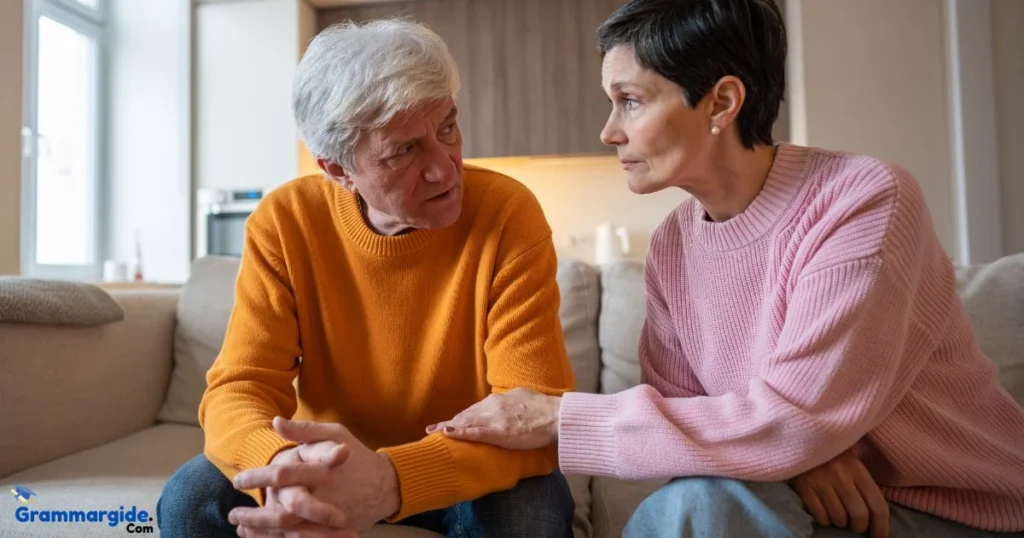
You can lean on me
Scenario:
When someone is overwhelmed with emotional pressure or stress.
Meaning/Definition:
“You can lean on me” means offering emotional support and trust, similar to “I got your back.”
Explanation:
It encourages dependency and comfort during tough situations.
Example:
“If life gets hard, you can lean on me.”
Best Use:
- Emotional struggles
- Friendship support
- Crisis situations
Worst Use:
Corporate communication
Tone:
Comforting, caring, supportive
I’ll see you through
Scenario:
When someone is facing a long or difficult journey or task.
Meaning/Definition:
“I’ll see you through” means supporting someone until the end of a challenge, similar to “I got your back.”
Explanation:
It shows commitment to stay with someone until a situation is fully resolved.
Example:
“I’ll see you through this project until it’s finished.”
Best Use:
- Long-term tasks
- Difficult projects
- Emotional journeys
Worst Use:
Short casual conversations
Tone:
Committed, supportive, steady
I’ve got your back
Scenario:
When a friend is entering a stressful or risky situation.
Meaning/Definition:
“I’ve got your back” is a phrase meaning support, protection, and loyalty, especially in difficult situations.
Explanation:
It shows trust, reassurance, and readiness to defend or help someone when needed.
Example:
“Don’t worry, I’ve got your back no matter what.”
Best Use:
- Friendship support
- Teamwork
- Risky situations
Worst Use:
Formal corporate writing
Tone:
Strong, loyal, protective
I’m with you always

Scenario:
When someone is going through emotional hardship or life challenges.
Meaning/Definition:
“I’m with you always” means continuous support and loyalty, similar to “I got your back.”
Explanation:
It shows long-term emotional commitment and trust in relationships.
Example:
“Through everything, I’m with you always.”
Best Use:
- Emotional support
- Deep relationships
- Friendship loyalty
Worst Use:
Professional reports
Tone:
Emotional, loyal, caring
Count on me anytime
Scenario:
When a friend needs assurance of help in any situation.
Meaning/Definition:
“Count on me anytime” means always available support and reliability, similar to “I got your back.”
Explanation:
It shows unconditional willingness to help whenever needed.
Example:
“If you ever need help, count on me anytime.”
Best Use:
- Friendship support
- Emergency help
- Personal reassurance
Worst Use:
Formal contracts
Tone:
Reliable, friendly, supportive
I’ve got you covered
Scenario:
When handling tasks or responsibilities for someone else.
Meaning/Definition:
“I’ve got you covered” means full support and responsibility handling, similar to “I got your back.”
Explanation:
It shows assurance that everything is taken care of.
Example:
“Don’t worry about the work, I’ve got you covered.”
Best Use:
- Work tasks
- Team projects
- Practical support
Worst Use:
Emotional deep conversations
Tone:
Confident, helpful, reliable
You’re not alone
Scenario:
When someone feels isolated during stress or hardship.
Meaning/Definition:
“You’re not alone” means emotional support and presence, similar to “I got your back.”
Explanation:
It reassures someone that support is available during tough times.
Example:
“Whatever happens, you’re not alone in this.”
Best Use:
- Emotional support
- Crisis situations
- Friendship care
Worst Use:
Technical or formal documents
Tone:
Comforting, emotional, supportive
I’ll back you up
Scenario:
When supporting someone’s idea in a meeting or discussion.
Meaning/Definition:
“I’ll back you up” means supporting actions or opinions, similar to “I got your back.”
Explanation:
It shows agreement and willingness to support someone publicly or privately.
Example:
“Go ahead, I’ll back you up in the meeting.”
Best Use:
- Workplace discussions
- Team decisions
- Professional support
Worst Use:
Emotional reassurance
Tone:
Professional, supportive, assertive
I’m in your corner
Scenario:
When someone is facing criticism or competition pressure.
Meaning/Definition:
“I’m in your corner” means strong loyalty and support, similar to “I got your back.”
Explanation:
It shows emotional backing during challenges or conflicts.
Example:
“Don’t worry, I’m in your corner.”
Best Use:
- Emotional support
- Competitive situations
- Friendship loyalty
Worst Use:
Formal writing
Tone:
Loyal, encouraging, strong
I’ll stand by you
Scenario:
When a friend is facing judgment or criticism.
Meaning/Definition:
“I’ll stand by you” means loyal support and emotional backing, similar to “I got your back.”
Explanation:
It shows commitment even during difficult or controversial situations.
Example:
“I’ll stand by you no matter what others say.”
Best Use:
- Emotional struggles
- Loyalty situations
- Friendship support
Worst Use:
Casual conversations
Tone:
Loyal, emotional, strong
Lean on me
Scenario:
When someone is emotionally overwhelmed or stressed.
Meaning/Definition:
“Lean on me” means emotional support and guidance, similar to “I got your back.”
Explanation:
It encourages trust and dependence during difficult times.
Example:
“When things get tough, lean on me.”
Best Use:
- Emotional support
- Friendship care
- Life difficulties
Worst Use:
Formal communication
Tone:
Caring, comforting, emotional
I’ll watch your back
Scenario:
When someone is entering a risky or uncertain situation.
Meaning/Definition:
“I’ll watch your back” means protection, vigilance, and support, similar to “I got your back.”
Explanation:
It shows readiness to protect someone from harm or trouble in challenging situations.
Example:
“Go ahead, I’ll watch your back.”
Best Use:
- Risky situations
- Teamwork
- Friendship protection
Worst Use:
Formal or academic writing
Tone:
Protective, loyal, alert
I’m on your side
Scenario:
When supporting someone during disagreement or conflict.
Meaning/Definition:
“I’m on your side” means agreement and loyalty, similar to “I got your back.”
Explanation:
It shows emotional alignment and support in difficult decisions.
Example:
“I’m on your side in this matter.”
Best Use:
- Conflicts
- Decisions
- Negotiations
Worst Use:
Neutral judgment situations
Tone:
Reassuring, calm, loyal
You can rely on me
Scenario:
When someone needs assurance of help or support.
Meaning/Definition:
“You can rely on me” means dependable support and trust, similar to “I got your back.”
Explanation:
It shows consistent reliability in personal or professional situations.
Example:
“You can rely on me whenever you need help.”
Best Use:
- Work support
- Friendship trust
- Daily assistance
Worst Use:
Casual jokes
Tone:
Reliable, trustworthy, supportive
I’ll be there
Scenario:
When someone is going through emotional or physical difficulty.
Meaning/Definition:
“I’ll be there” means presence and support, similar to “I got your back.”
Explanation:
It shows commitment to stay with someone during important or difficult moments.
Example:
“No matter what, I’ll be there for you.”
Best Use:
- Emotional support
- Friendship care
- Life challenges
Worst Use:
Formal documentation
Tone:
Simple, emotional, supportive
I’ve got your back no matter what
Scenario:
When someone is facing serious risk or life pressure.
Meaning/Definition:
“I’ve got your back no matter what” means unconditional support and loyalty, similar to strong reassurance.
Explanation:
It shows full commitment in all situations, especially during serious challenges.
Example:
“Whatever happens, I’ve got your back no matter what.”
Best Use:
- Crisis support
- Friendship loyalty
- Difficult life situations
Worst Use:
Formal business writing
Tone:
Strong, emotional, loyal
You’re not alone—I’m with you
Scenario:
When someone feels isolated during emotional hardship.
Meaning/Definition:
“You’re not alone—I’m with you” means emotional support and companionship, similar to “I got your back.”
Explanation:
It reassures someone that they are supported and not facing problems alone.
Example:
“You’re not alone—I’m with you through this.”
Best Use:
- Emotional support
- Crisis situations
- Friendship reassurance
Worst Use:
Formal communication
Tone:
Comforting, emotional, supportive
Pros and Cons of ““i got your back””
Pros
- Improves communication variety and avoids repetition in daily speech
- Helps express support, loyalty, and reassurance more clearly in different situations
- Makes professional communication more polished and appropriate in workplaces
- Strengthens relationships by matching tone with emotion (friends, family, teams)
- Expands vocabulary and improves overall communication confidence
Cons
- Can sound unnatural if too many variations are used in casual talk
- Risk of choosing the wrong tone for the situation (too formal or too casual)
- May confuse beginners due to multiple synonyms and idiomatic options
- Can reduce emotional simplicity compared to the original phrase
- Inconsistent use may weaken clarity in sensitive or professional communication
Conclusion
In everyday communication, learning Other Ways to Say “i got your back” helps you express support, loyalty, and reassurance in a more natural and meaningful way. Whether in friendships, teamwork, or professional interactions, the ability to use different synonyms for support and protective phrases improves clarity and emotional connection. It allows you to communicate trust and confidence without sounding repetitive, making your message more impactful in real-life situations.
The key takeaway is simple: strong communication is not just about words, but about expressing genuine emotional support and reliability in the right tone at the right moment. By using these variations thoughtfully, you can build stronger relationships and clearer understanding. In the end, having the right words ready means you’re always prepared to show up for others—and that’s what true support really looks like.
FAQs about “Other Ways to Say ‘I Got Your Back’”
1. What does “I got your back” mean?
It means support, loyalty, and protection in difficult situations, showing someone will stand with you.
2. What are other ways to say “I got your back”?
Common alternatives include “I’m here for you,” “You can count on me,” and “I’ll support you.”
3. Is “I got your back” formal or informal?
It is mainly informal and casual, best used in friendships, teams, or relaxed conversations.
4. What is a professional way to say “I got your back”?
You can say “I will support you,” “I’ll assist you,” or “You can rely on me.”
5. When should I use “I got your back”?
Use it when someone needs emotional support, reassurance, or help in tough situations.
6. What is a strong synonym for “I got your back”?
A strong alternative is “I’ll stand by you,” showing deep loyalty and commitment.
7. Can I use “I got your back” in work emails?
It’s better to use formal phrases like “I’ll support you” in professional emails.
8. What is a casual alternative to “I got your back”?
“You’ve got me” or “I’m with you” are natural casual alternatives.
9. What does “I’ll back you up” mean?
It means you will support someone’s opinion or action, especially in discussions or meetings.
10. Is “I’m here for you” the same as “I got your back”?
Yes, both show emotional support and reassurance, but “I’m here for you” is softer.
11. What is a slang version of “I got your back”?
“I’ve got your six” is a slang phrase meaning strong protection and support.
12. How do you say “I got your back” in a polite way?
Use phrases like “You can count on me” or “I’m here to help.”
13. What is a romantic way to say “I got your back”?
You can say “I’ll always stand by you” or “I’m with you always.”
14. What is the emotional meaning of “I got your back”?
It expresses trust, care, loyalty, and emotional reassurance in relationships.
15. Can “I got your back” be used in teamwork?
Yes, it is commonly used in teamwork to show support and cooperation.
16. What is a modern way to say “I got your back”?
Modern alternatives include “I’ve got you covered” and “I’m in your corner.”
17. Why should I learn other ways to say “I got your back”?
It improves communication skills, emotional expression, and professional language use in real life.

I’m Ethan Matthews, a writer at GrammarGuide.com, where I turn everyday language into something clear, engaging, and easy to use. I focus on breaking down grammar, exploring fresh synonyms, and sharing creative ways to express ideas with confidence. My aim is to make communication simple, effective, and a little more enjoyable for everyone.